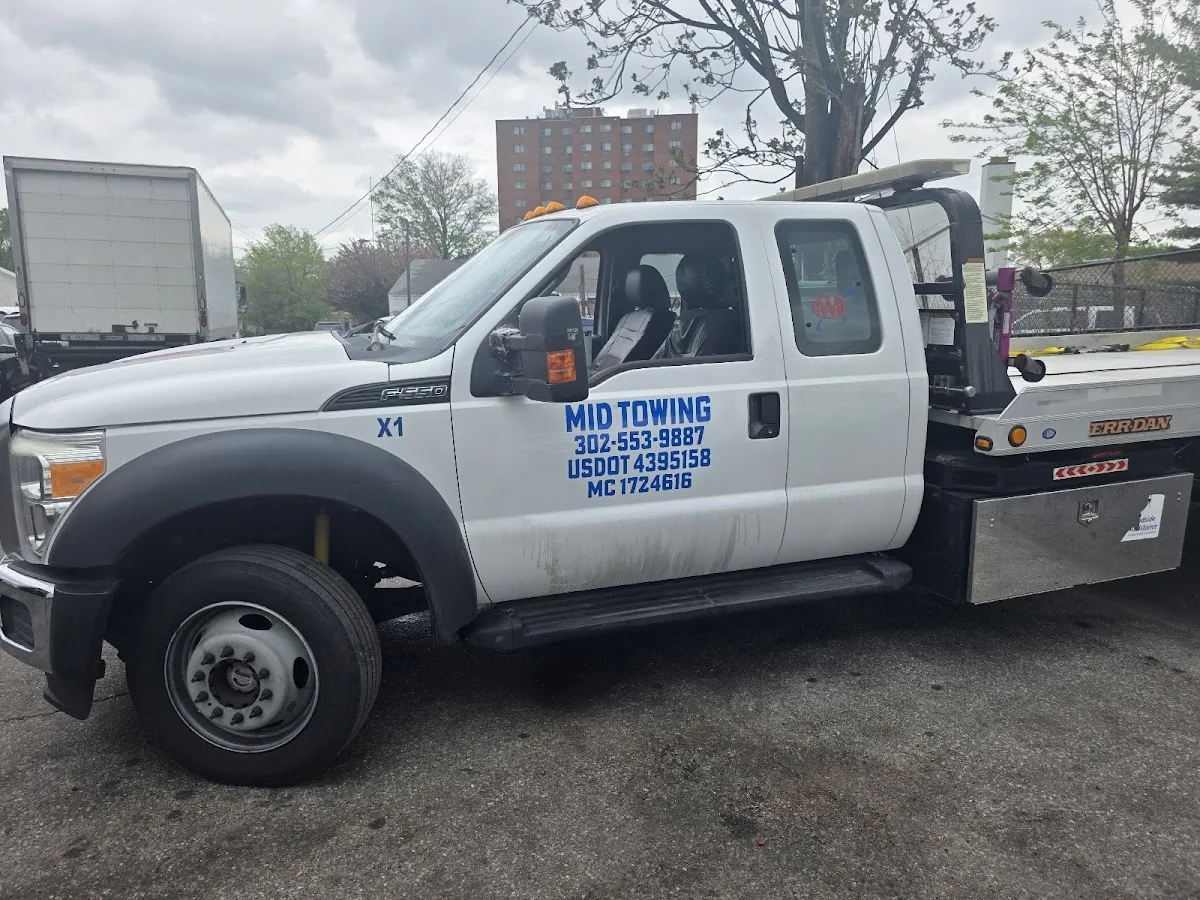
Choose roadside assistance when an on-scene service may make the vehicle usable; choose a tow when it needs to be moved because it cannot be driven safely. Planned vehicle transport covers moves unrelated to a breakdown. In Annapolis, Top Notch Towing and Transport is listed as a light-duty towing provider, and its website lists towing, fuel delivery, and jump-starts among its roadside services.
Roadside assistance aims to solve a problem at the vehicle
A jump-start or fuel delivery can address a problem without relocating the vehicle. AAA describes roadside help as including jump-starts and fuel delivery, alongside other services. If the car starts and can be driven safely after the issue is addressed, you may be able to continue without a tow. If it remains unusable, roadside help may be only the first part of the solution.
Describe what happened and what the vehicle can do now: whether it starts, whether it can move under its own power, and whether a warning or visible problem makes driving feel unsafe. That information helps clarify whether the request is for an attempted roadside fix or for a truck to move the vehicle. A jump-start is not the same as diagnosing every cause of a no-start condition, so don’t assume that getting the engine running resolves the underlying problem.
A tow is for relocation when driving is not the answer
When a car cannot be started or driven safely, AAA describes towing it to a repair facility or another chosen destination. Identify the destination when requesting a tow so the planned move is clear.
Before dispatch, explain where the vehicle is and how it is positioned. A car that rolls and steers normally presents a different loading situation from one with a damaged wheel, locked steering, or no ability to roll. If it is stopped in a confined area, on a shoulder, or somewhere a truck may have limited access, include that detail too. These facts help the dispatcher determine whether the requested move fits the available equipment and access conditions. Do not assume a particular loading method, such as a flatbed, without discussing the vehicle and its condition.
Be specific about the drop-off as well as the pickup. A repair shop, home, dealership, or another destination may change the trip being requested. Say whether the vehicle can be received there and give the location clearly. Confirm the scope of the move and any cost or timing details directly before agreeing; the relevant estimate depends on the actual pickup, destination, vehicle, and service arrangement.
Transport can be planned, commercial, or unrelated to a breakdown
Vehicle transport is a broader reason to move a vehicle: it may be part of a business workflow or a planned transfer rather than an emergency. Top Notch lists transports and says it serves auctions, dealerships, mechanic shops, body shops, and transmission shops. The company also lists private-property impounds and police towing. Those are distinct stated service contexts from a driver seeking a roadside jump-start after a dead battery.
If you are arranging a non-emergency move, explain why the vehicle needs to be moved, where it is now, and where it must go. Identify whether it is operable and whether it will be ready for pickup. For a shop, auction, or dealership move, clarify who is authorizing the transfer and who will receive the vehicle. A breakdown call focuses on restoring mobility or reaching a destination; a planned transport request may instead depend on coordinating the handoff and the vehicle’s status.
Prioritize safety when the vehicle is near traffic
If the vehicle is exposed to moving traffic or the location feels unsafe, prioritize getting yourself to a safer place and follow local emergency guidance rather than attempting repairs beside traffic.