A disabled car can turn a short trip into a series of decisions: whether it can be restarted where it sits, what kind of truck could load it, and where it needs to go. For a Washington, DC roadside call to Ape Towing & Roadside Assistance, the most useful preparation is a precise description—not an assumption that every breakdown needs the same equipment. The company’s about page describes towing and roadside assistance in the District, while live availability and the right service for a particular vehicle still need to be confirmed with dispatch.
Pin down the pickup before discussing the truck
Start with the vehicle’s exact position. A street name alone may not tell a driver which side of a divided road, entrance, parking area, or curb to use. Share a nearby cross street or visible landmark, the direction of travel when relevant, and whether the car is on a shoulder, in a lot, or behind a gate. If a map pin is available, give that as well as a plain-language description.
The public listing for Ape Towing & Roadside Assistance gives 1075 Kenilworth Avenue Northeast, Washington, DC 20019, as its address. That is a useful reference for identifying the listing, but it does not establish where a truck is currently staged or whether a particular pickup falls within active dispatch coverage. Ask directly whether the pickup point and requested destination can both be handled, and have dispatch repeat the location back before ending the call.
Describe what the vehicle can—and cannot—do
Before asking for a light-duty tow, report the year, make, model, and what happened. Explain whether the engine starts, whether the vehicle rolls and steers, whether a wheel is damaged, and whether it is blocking traffic or difficult to access. Mention a low-clearance garage, tight turn, steep ramp, locked gate, or other obstacle early; these details can change what equipment can reach the car.
Then distinguish a roadside fix from a tow. Ape’s official about page describes 24/7 roadside assistance, but that general description does not confirm that every service or truck is available at every moment. If the issue may be a dead battery, ask whether a jump-start is an option. For a flat tire, ask about a tire change and tell dispatch if the spare is missing or unusable. If the car cannot safely move, explain why it needs towing rather than assuming a roadside repair will solve it.
Match loading method to the car’s condition
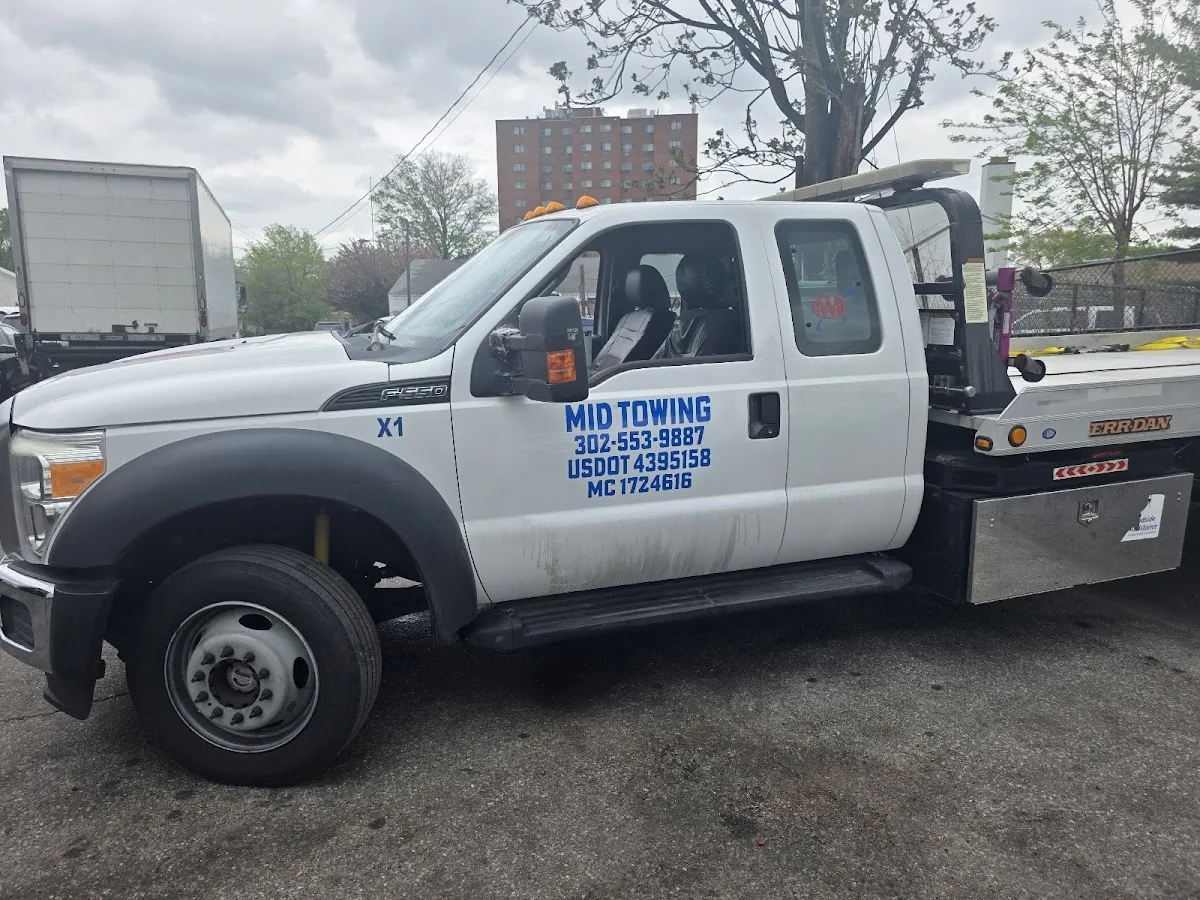
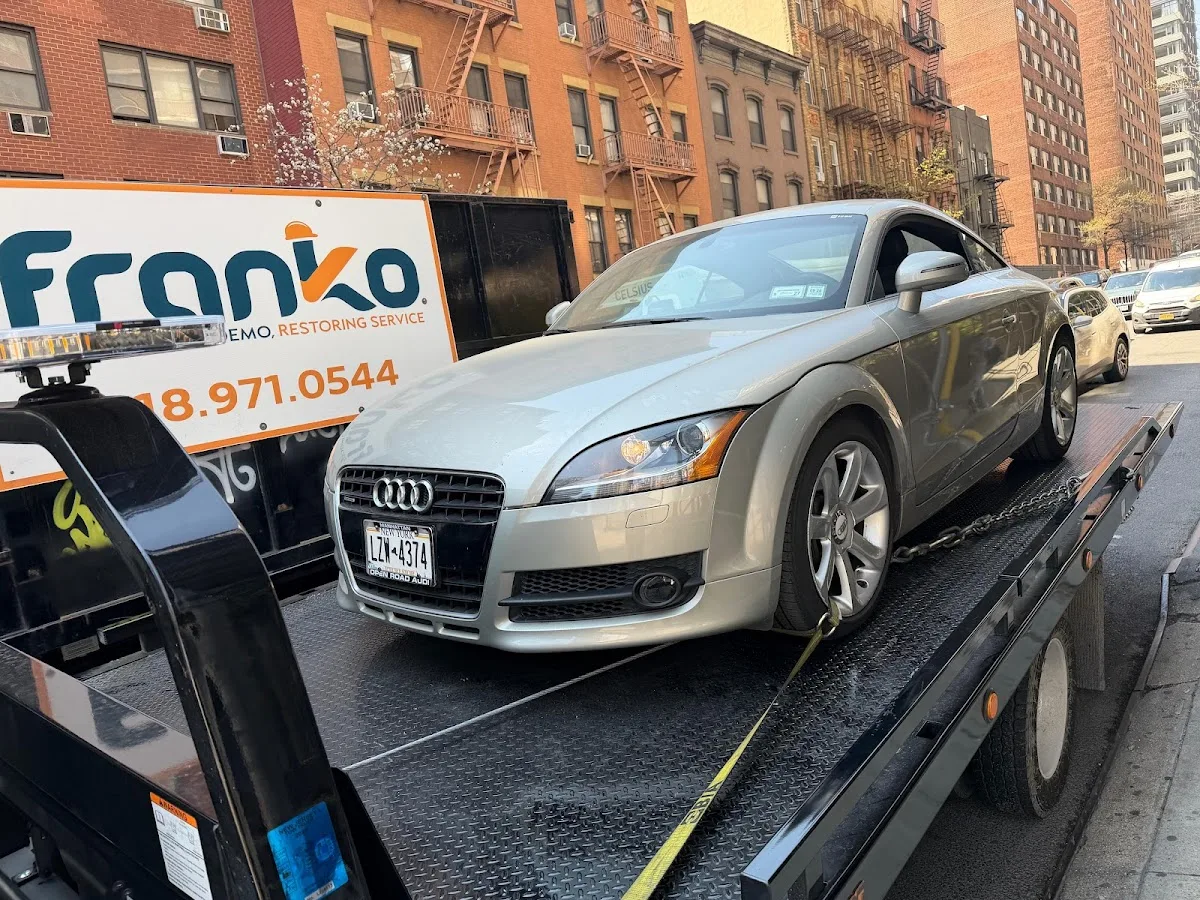
Ask what kind of tow truck dispatch expects to send and whether it suits the vehicle. A flatbed may be appropriate for some cars that should not be towed with driven wheels on the road, while other vehicles may be handled with different equipment. The right method depends on the vehicle and its condition, so give dispatch relevant details such as all-wheel drive, electric powertrain, low ground clearance, crash damage, or a wheel that will not roll. Do not treat a general light-duty category as confirmation that a specific truck can load the car.
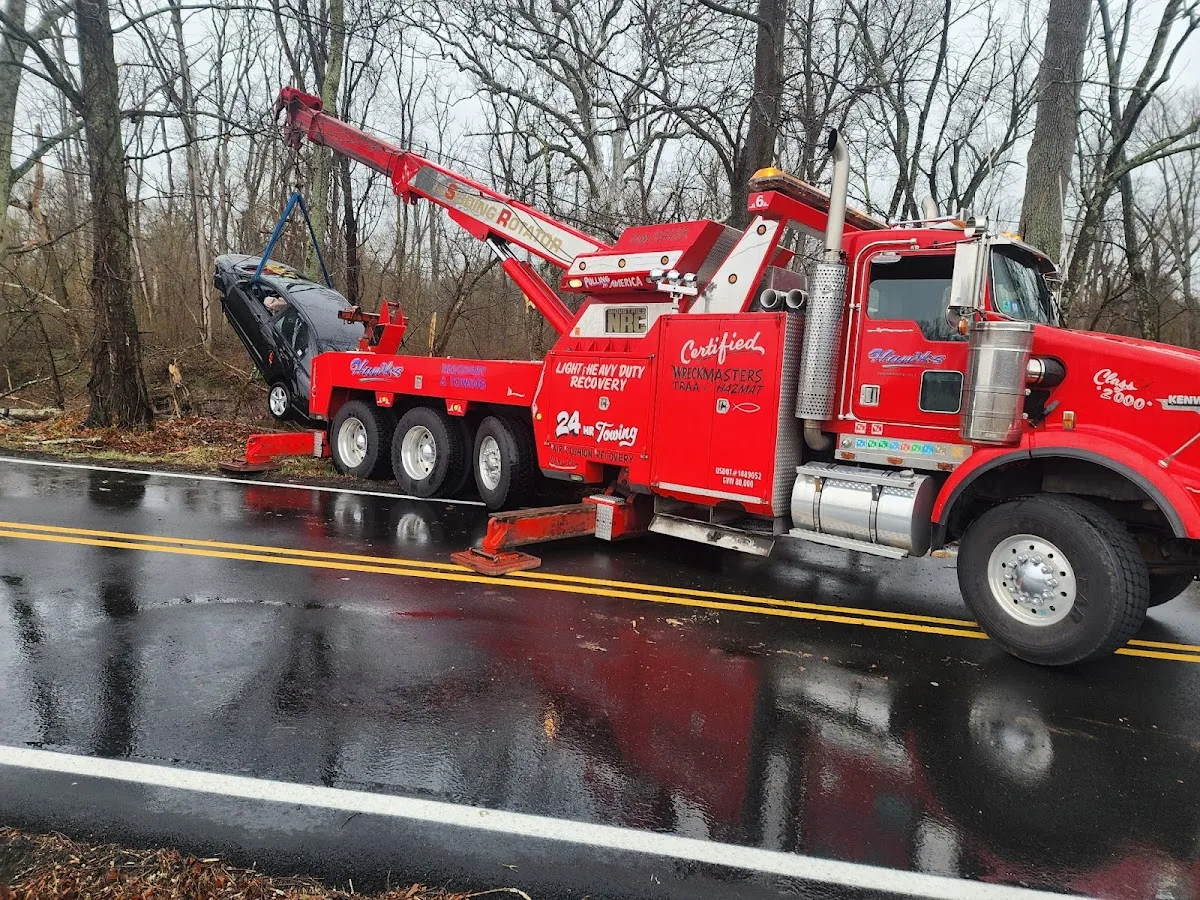
If the vehicle is off pavement or stuck, describe the surface, slope, and how far it is from a place a truck can safely reach. Ask whether winching is available for that situation, what equipment would be used, and whether the quoted work includes recovery as well as transport. A roadside listing is not proof that every recovery scenario can be handled, so wait for a clear answer before authorizing work.
Set the destination and estimate before dispatch
Name the intended drop-off location before agreeing to a tow. Confirm that the destination is open to receive the car, that someone can meet the driver if needed, and whether any access instructions apply. Ask for an estimate that separates the tow distance and service from possible add-ons, such as difficult loading, waiting, or tolls. The exact price and any applicable charges should come from dispatch for the specific job; no fixed amount can be inferred from a business listing.
Also request an arrival window and ask what could change it. A company’s published availability statement is not an arrival-time guarantee, and traffic, distance, and truck availability may affect a particular request. If an insurer, roadside plan, vehicle owner, or repair shop is involved, clarify who is authorizing the tow and who will be responsible for payment before the truck is sent.
Use public profile details as a starting point
The listing reports a 4.9 rating from 264 reviewers. That can offer background when comparing providers, but reviews cannot verify current coverage, equipment, price, or availability for the call at hand. The profile lists +1 202-599-3777 as the phone number and links to Ape Towing’s about page. A caller can use the number to ask dispatch about the exact pickup, roadside option, truck type, estimate, and arrival window, then decide whether those answers fit the situation.
Before the call ends, repeat the vehicle location, destination, agreed service, estimate, and timing. If the car is in an unsafe position, prioritize getting to a safer place if possible and follow directions from appropriate emergency personnel. A concise, verified plan makes it easier to compare roadside assistance with a tow and helps reduce avoidable uncertainty when arranging help in Washington, DC.