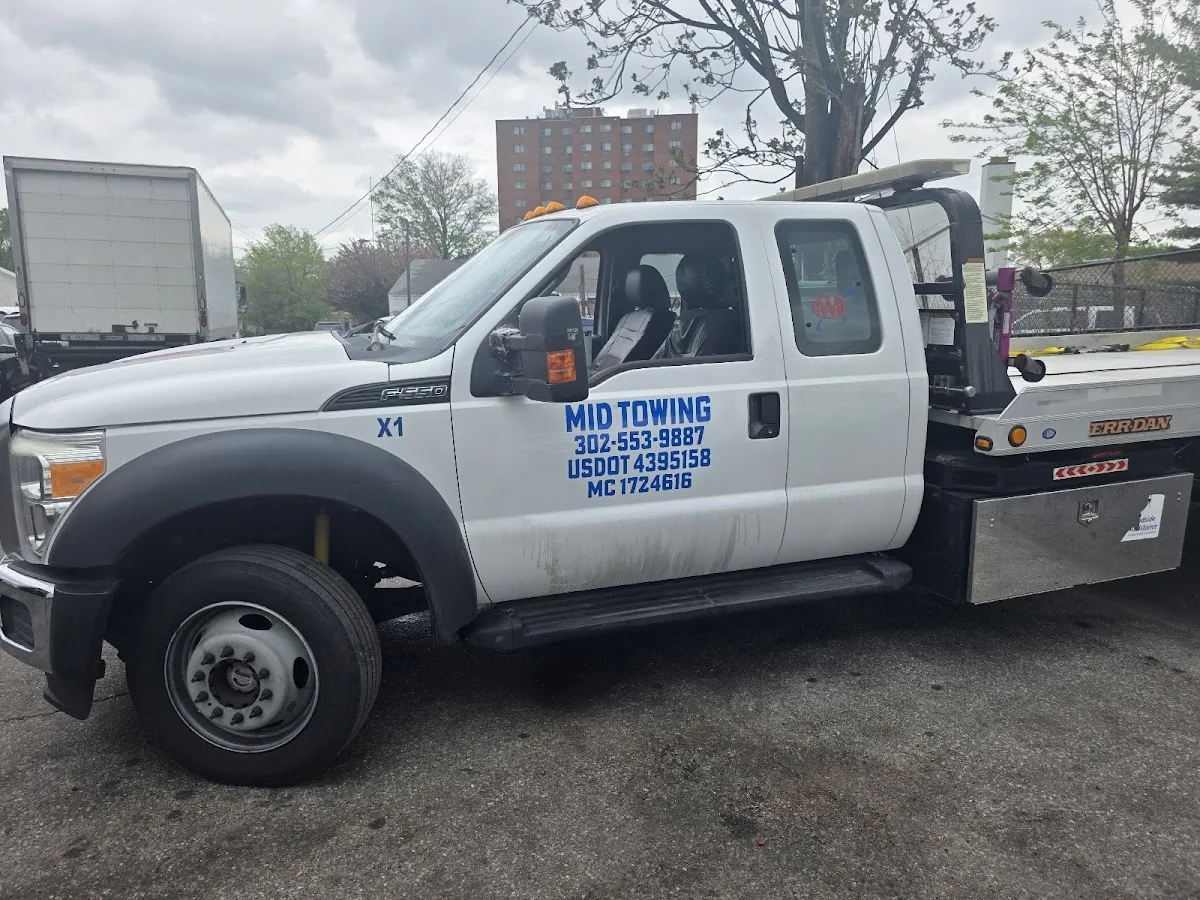
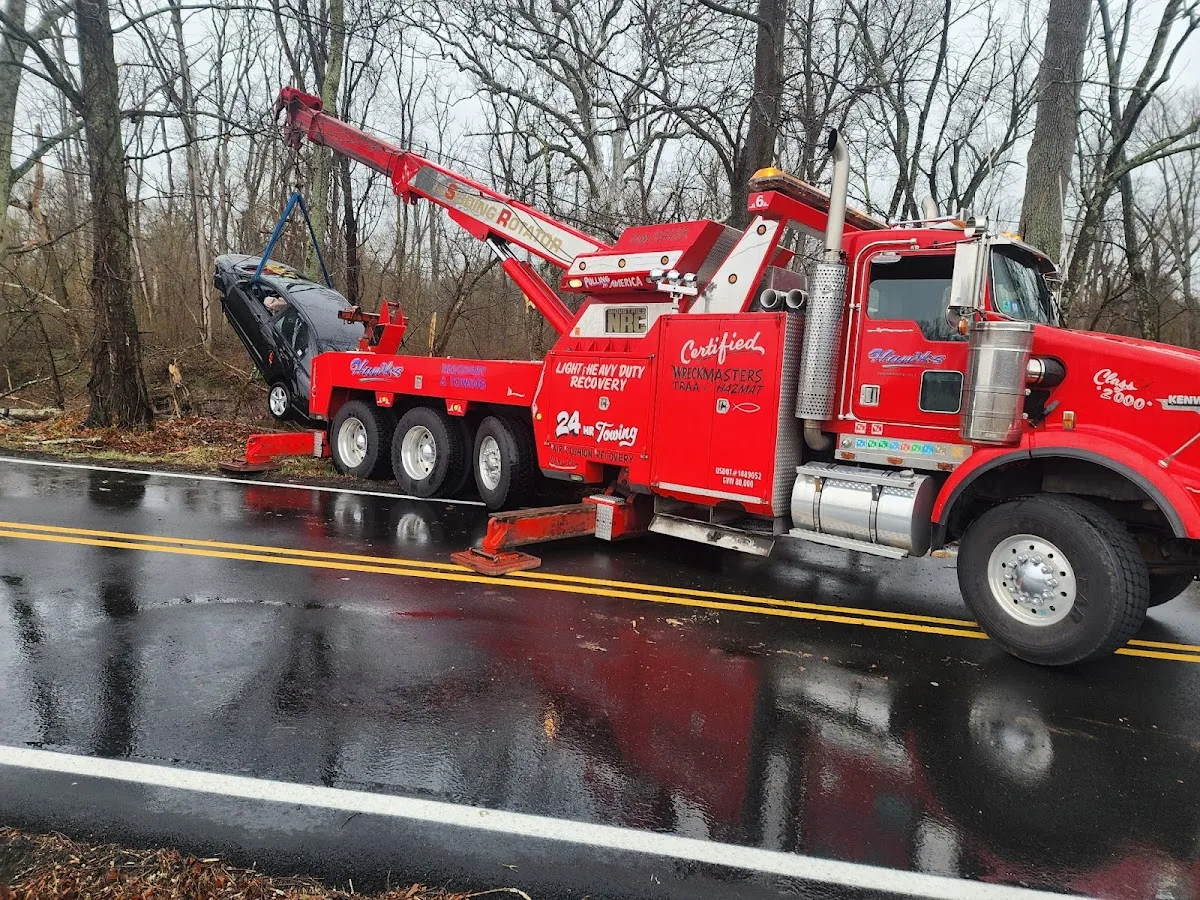
A car that will not start on a garage level presents a different towing problem from one stopped at a curb. The truck has to reach the vehicle, maneuver within the structure, and load it without assuming ordinary street access. Whitelock Towing’s official site specifically mentions parking-garage towing in Baltimore and the use of wheel-lift equipment and dolly wheels. That makes access details worth settling before dispatch rather than after a truck arrives.
Describe the garage route, not just the address
Begin with the garage name and street address, then identify the entrance the driver should use, the floor or section, and the vehicle’s exact position. Report the posted height limit and any tight turns, steep ramps, narrow lanes, gates, or access-control steps between the street and the car. If a sign gives a clearance measurement, read it as posted; do not estimate based on a nearby vehicle.
Also explain whether the vehicle can start, roll, and steer, and whether its wheels are blocked or damaged. Those details help dispatch assess the whole route and loading situation, not just the fact that the car is disabled. A pin, level number, nearby column label, or photo of the entrance can help clarify the pickup point, provided sharing it is safe and allowed by the garage.
Ask how the truck and loading method fit
Whitelock Towing’s about page describes wheel lifts and dolly wheels as equipment used for towing, and identifies low-clearance garage recovery as a service it handles. That is useful context, but it does not establish that every truck can enter every garage or that a particular setup fits every vehicle. Ask dispatch to confirm the equipment planned for this pickup and whether the truck can reach the vehicle’s level. If it cannot enter, ask what alternate loading or transfer plan is possible before authorizing the job.
Give the vehicle’s year, make, model, drive type if known, and any damage or unusual condition. Ask whether the proposed method is appropriate for that exact vehicle and whether any wheels need to be lifted or moved on dollies. A flatbed may be relevant for some vehicle-and-condition combinations, but do not assume one can access a low garage; have dispatch explain the practical option at the actual pickup point. If the car is stuck rather than simply disabled, describe what is obstructing it and ask whether winching is part of the proposed work or a separate service and charge.
Separate roadside help from a garage tow
Not every no-start requires towing. The company’s site lists jump-starts, tire changes, lockouts, and fuel delivery as roadside assistance options. If one of those problems describes the situation, ask whether roadside help could resolve it where the car sits. But make clear that the vehicle is inside a garage and share the clearance and access restrictions even if the request begins as a jump-start or lockout. The service needed and the route equipment needed are related questions, but they are not interchangeable.
If the car must leave the structure, agree on the destination before loading. Confirm the shop or drop-off address, entrance or receiving instructions, and whether someone will be available to accept the vehicle. Ask dispatch to state the expected scope of the job, including any repositioning, extra equipment, waiting, or mileage that could change the estimate. No price or arrival time should be assumed from a service description alone; get the current estimate and timing directly for the exact pickup.
Use the local listing as a contact lead
The listing gives Whitelock Towing’s address as 2634 Flora St, Baltimore, MD 21217, and its direct number as +1 410-383-2769. That address is a business-location reference, not proof that a truck is stationed there or that a particular garage falls within current dispatch coverage. The company website is whitelocktowing.com; its about page describes service in Baltimore City, but callers should still confirm the pickup location and current availability directly.
The public listing reports a 5.0 rating from 40 reviewers. Treat that as one point of reference, not a guarantee of equipment, timing, or fit for a specific recovery. For a garage call, a useful conversation is concrete: repeat the posted height, level, vehicle condition, and exit route, then ask the dispatcher to confirm the truck plan, price assumptions, and arrival estimate.
Keep the scene safe while the plan is confirmed
Follow the garage’s instructions and avoid standing in vehicle lanes or trying to move a disabled car through a ramp if doing so could put someone at risk. If the car is blocking traffic or there is immediate danger, contact the appropriate local emergency service. Otherwise, wait in a safe permitted area and keep your phone available for dispatch. Before the truck is sent, make sure both sides agree on the pickup point and destination; in a low-clearance recovery, those details can determine whether the proposed tow is workable at all.