After a breakdown, the best tow destination is the place that makes the vehicle’s next step practical—not automatically the nearest shop or the address where it usually parks. Decide whether the car needs prompt diagnosis, whether repairs can be arranged later, and whether the endpoint can actually accept delivery. Those choices shape whether a repair facility, home, or another accessible location makes more sense.
Start with the vehicle’s next step
A tow moves a vehicle; it does not determine what repair it needs. Keep those decisions separate. If the car will not start, has a warning light, or has another unexplained problem, the destination question is whether someone needs to inspect it soon. You do not need to diagnose the cause at the roadside to make that choice. A vehicle with an unknown problem may need evaluation before you can decide what work to authorize.
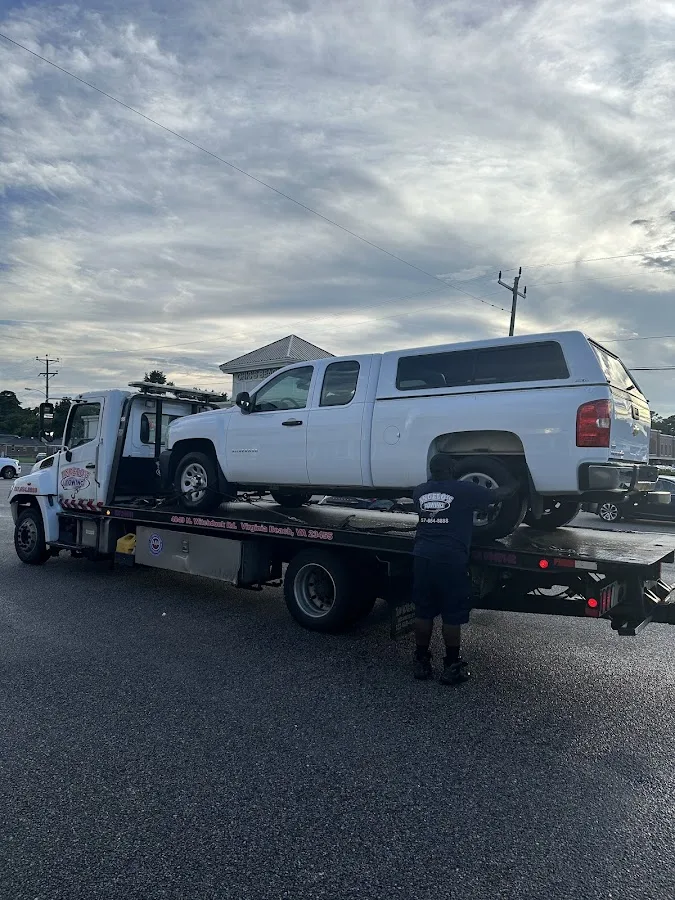
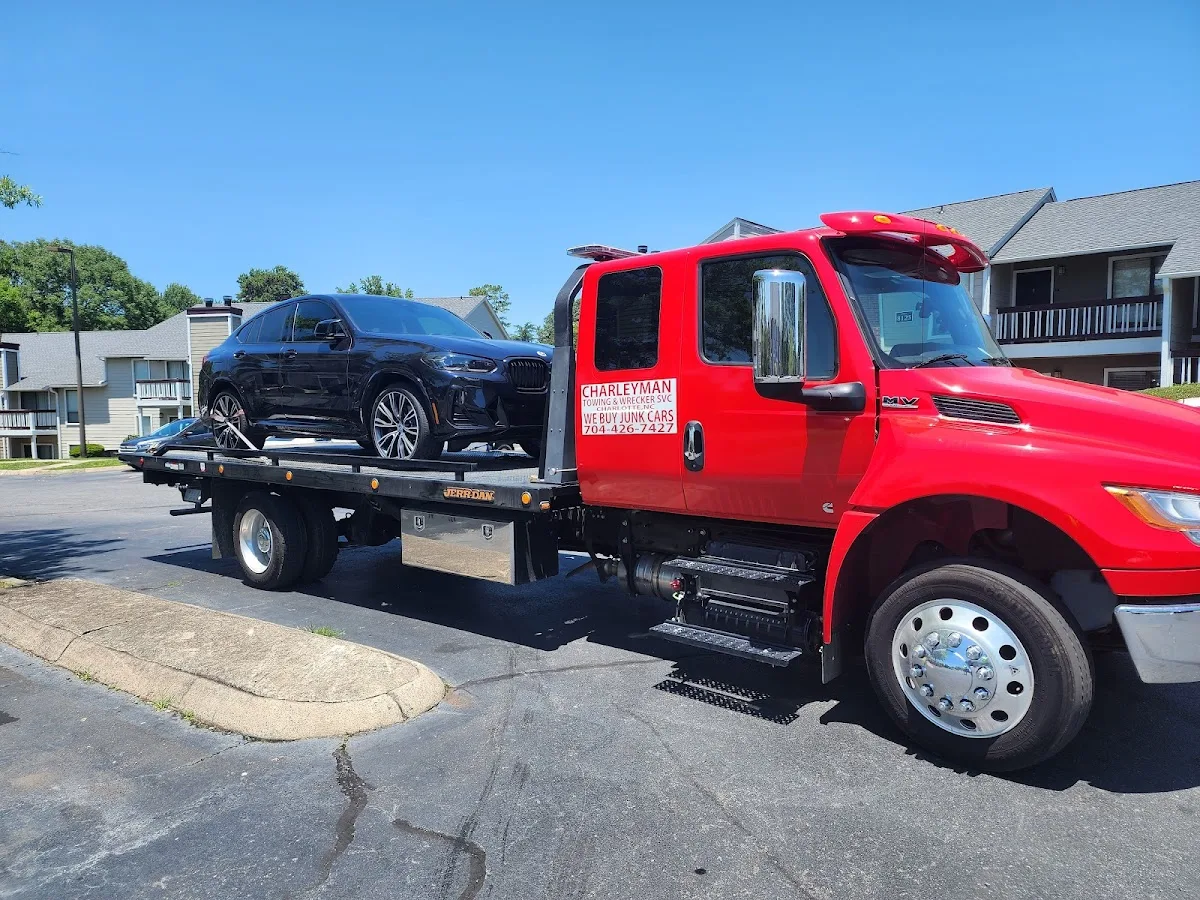
When arranging a tow, tell dispatch whether the vehicle rolls and steers, where it can be reached, and where you want it delivered. A car that cannot roll or is off the pavement may need a different loading plan, such as a flatbed or winching; confirm that the proposed approach works at both the pickup point and the chosen drop-off. If a roadside fix such as a jump-start would let the car be driven safely, you may not need a tow. Let the vehicle’s condition and your next step guide the decision.
To find a local towing listing in Charlotte, see Charleyman Towing & Wrecker Service.
Compare a repair facility with home
A repair facility is a sensible endpoint when diagnosis is the immediate priority and the shop can take the vehicle. It places the car near the people who may inspect it, which can avoid arranging a second move just to begin evaluation. This is especially useful when the vehicle’s condition makes driving it impractical and the owner has already selected a facility. The destination still depends on the facility’s ability to receive the car, rather than simply its presence on a map.
Home can fit a different plan. If you want time to choose a mechanic, arrange a repair appointment, or consider whether the vehicle should be moved again, having it at home may make coordination easier. A driveway or other permitted, accessible space can also serve as a short-term holding point while you make those arrangements. Home is not automatically convenient, though: a narrow entrance, limited parking, or restrictions on where a vehicle may be left can make another location more workable.
There is no universal rule that a shop is better than home. The useful comparison is what each destination lets you do next. A shop favors immediate evaluation when it is ready to receive the car; home favors control over timing when repairs can wait and the vehicle can be accommodated there.
Check whether the endpoint can receive the vehicle
A destination is workable only if the tow can be completed there. For a repair facility, check its current receiving instructions and whether someone can accept the vehicle at the expected time. A shop’s regular business hours do not, by themselves, establish that it can accept an after-hours delivery or provide an unattended drop-off. Get the destination and delivery instructions directly from the facility before setting the endpoint.
Access matters at any location. Consider the entrance width, available room for a tow truck to maneuver, and the exact place the vehicle should be left. An address may be correct while a particular gate, parking area, or loading entrance is inaccessible. Clear directions reduce the chance that the driver reaches the destination but cannot complete the delivery as planned. If the preferred spot is blocked or unavailable, identify a practical alternative before the tow begins.
Use a two-destination scenario to make the choice
Imagine a car breaks down in the evening and the owner wants a repair shop to inspect it the next morning. The shop is closed, and the owner has not arranged an after-hours drop. Sending the vehicle there based only on its location could leave the delivery plan unresolved. One option is to contact the facility and arrange an accepted drop-off. If that cannot be arranged, the owner might choose an accessible temporary location, then move the car to the shop when it can receive it.
Now change one detail: the owner has a secure, accessible place at home and can leave the car there without blocking access or violating local property rules. Home may be the more useful first destination because it allows time to select a shop and schedule the next move. If the home entrance cannot accommodate delivery, that advantage disappears; another agreed location may be needed instead. In both versions, the right endpoint follows from the real receiving conditions and the owner’s next decision, not from a presumed repair schedule.