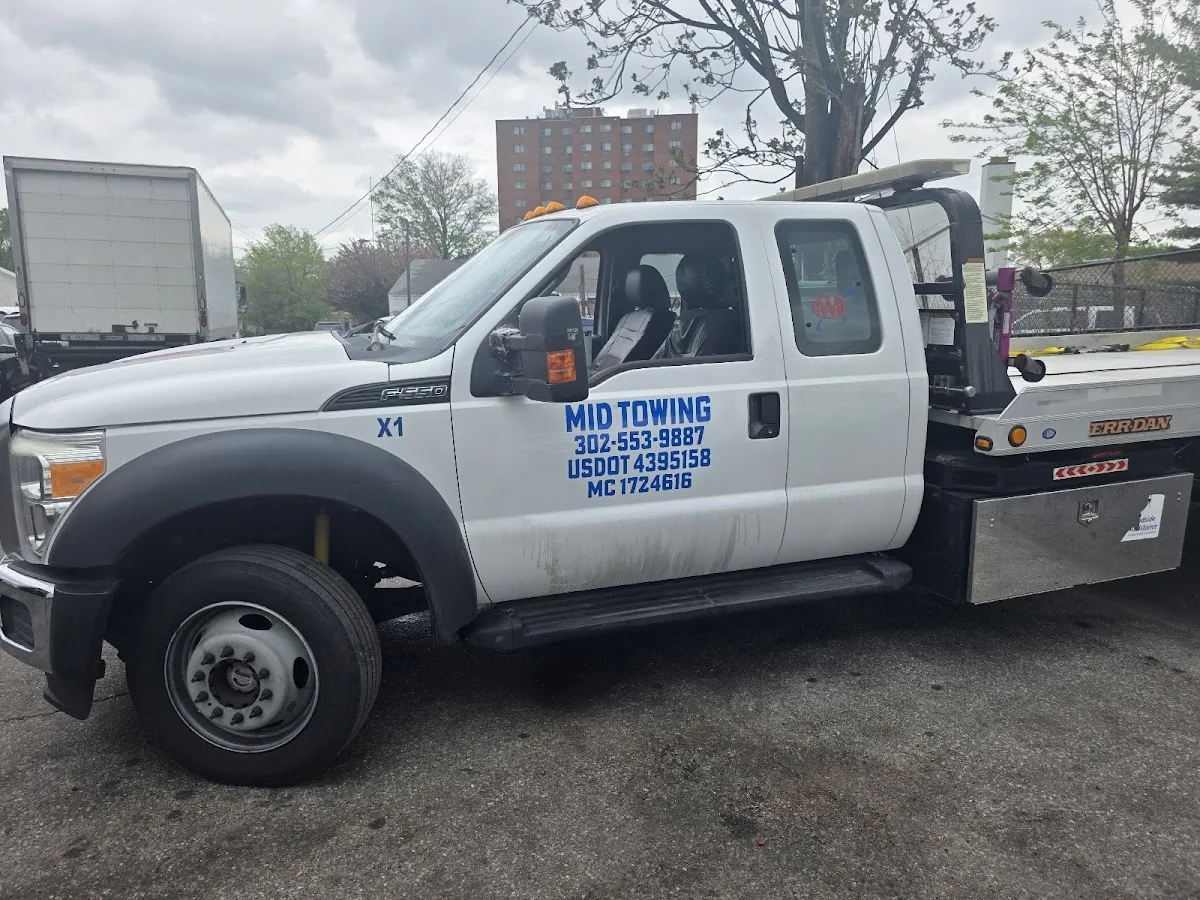
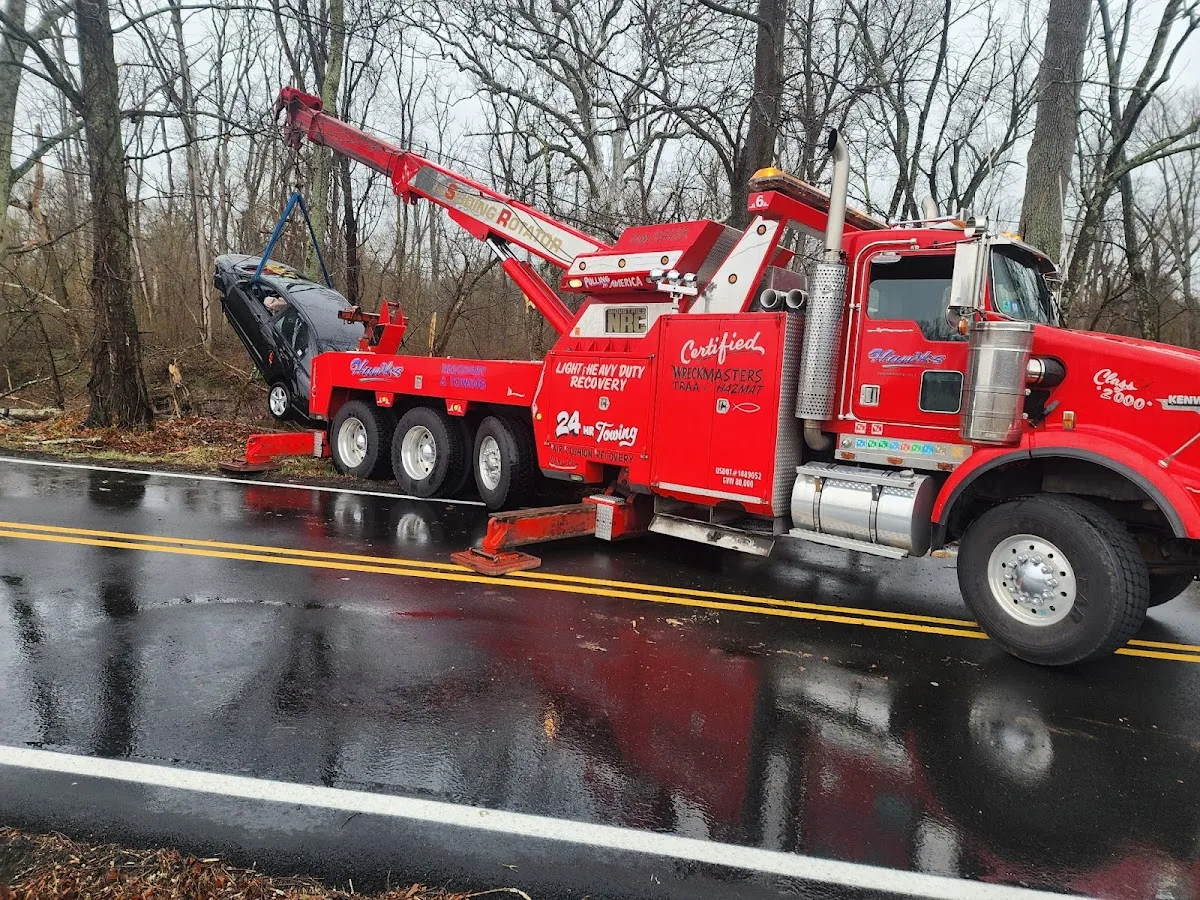
A disabled car can call for very different equipment depending on whether it is safely parked, damaged after a collision, or stuck where it cannot roll freely. For a driver considering Carilu Towing and Recovery in Braddock, the useful first step is to explain the vehicle’s condition and exact position before deciding whether the call is for roadside assistance, a tow, or recovery. The company’s official website lists all three kinds of help, along with accident scene cleanup, flatbed towing, and wheel-lift towing. Those service labels are useful starting points, not confirmation that a particular truck is available for a specific call.
Does the vehicle need a tow or a recovery?
A vehicle that can be approached and loaded from a clear parking area presents a different dispatch problem from one that is off the roadway, down an embankment, or unable to move after an accident. Carilu’s website identifies vehicle recovery and winch-out service as offerings, in addition to emergency towing and roadside assistance. A caller should describe what is preventing movement: a mechanical failure, collision damage, a wheel in a ditch, or a vehicle that is stuck on soft ground. Explain whether the car is blocking traffic and whether there is room for a truck to reach it. That description helps dispatch determine what details to confirm about equipment and access before sending a vehicle.
Do not assume that every stuck vehicle is a routine winch-out. The angle, surface, visible damage, and surrounding space can change the recovery approach. If the car is near moving traffic, share that immediately and follow local emergency instructions; do not put yourself in traffic to inspect or attach equipment.
How should a driver choose between flatbed and wheel-lift towing?
Carilu’s service pages name both flatbed towing and wheel-lift towing. The listing alone does not establish which method fits a particular car. Tell dispatch the year, make, and model, whether it is all-wheel drive, electric, modified, lowered, or damaged, and whether its wheels can roll and steer. Also mention any warning lights or visible collision damage that could affect loading. Ask which tow method the dispatcher proposes and whether it accommodates the vehicle manufacturer’s towing guidance.
That question is especially important after a collision or when the car cannot be put into neutral. A driver should not treat the word “tow” as proof that all equipment is interchangeable. Before agreeing, confirm the truck type, the loading plan, and the intended destination. If the vehicle is at an awkward angle or in a constrained location, explain that too rather than waiting for the operator to discover it on arrival.
What information makes a Braddock pickup easier to arrange?
Give a precise pickup point instead of only naming a neighborhood or road. Useful details include the street address or nearest cross street, direction of travel, a recognizable landmark, parking-lot entrance, and whether the vehicle is in a garage or behind a gate. If it is on a highway shoulder, specify the side of the road and a safe reference point. Share the car’s color and make so the operator can identify it, and keep a working callback number available.
The public listing places Carilu Towing and Recovery at 1508 Brinton Ave, Braddock, PA 15104. That is a concrete business-location reference, not proof that a disabled vehicle is at that address or that every nearby road is within current dispatch coverage. Give the actual pickup and destination separately. If the destination is a repair shop, confirm its full address and whether it can receive the vehicle at the expected time.
What should be settled before the truck is dispatched?
Ask whether dispatch can handle the exact vehicle and pickup conditions, which service it recommends, and whether a truck is currently available. Request an estimate based on the full route and situation, and clarify what it includes: hookup, mileage, recovery work, after-hours charges, tolls, or other applicable fees. Do not rely on an assumed flat rate when the destination, vehicle condition, or recovery difficulty has not been discussed. If an insurer, roadside membership, police direction, or private property is involved, tell dispatch and confirm any authorization or payment steps before the truck is sent.
The company’s official website also lists accident scene cleanup. A driver dealing with a collision should distinguish the vehicle tow from any cleanup request and ask directly what help is available at the scene. The website’s service list does not settle who is responsible for cleanup, what is included, or whether another party must authorize it.
How should drivers use the public rating and contact details?
The current public listing shows a 4.6 rating from 9 reviewers. That is a limited snapshot, not a guarantee of response time, equipment, price, or the result of an individual call. Use it as context, then assess the answers dispatch gives to the specific vehicle and location questions. There is also a detail worth checking before an urgent call: the listing shows +1 412-520-4347, while Carilu’s official website displays (412) 850-4044. Because those public contact details differ, verify the current dispatch number through the official site or another current company source rather than assuming the two numbers are interchangeable.
A useful call ends with shared expectations: the exact pickup point, the vehicle’s condition, the agreed service and truck type, the destination, the estimate, and the next update or arrival information dispatch can provide. Carilu’s published Braddock services make it possible to ask focused questions about roadside help, towing, flatbed or wheel-lift transport, and recovery. The final choice should rest on confirmation for the actual vehicle and scene—not on a service label or directory signal alone.